
Both hot and cold therapy help to manage pain but each has a different effect on your body. Hot therapy involves using hot packs, warm towels, or heating pads to increase blood flow and relax muscles to reduce stiffness. Cold therapy involves using ice packs, cold compresses, or ice baths to reduce swelling and inflammation, and to numb an area in order to provide pain relief.
This type of therapy uses electrical impulses to stimulate the nerves and muscles in the affected area. It helps to manage pain by temporarily blocking pain signals from reaching your brain, by releasing naturally produced pain-relieving chemicals called endorphins which help to reduce pain and promote a sense of well-being, and by relaxing muscles and reducing painful spasms. Depending on the nature of your condition, it may involve the use of a TENS, NMES or IFC unit to deliver the electrical stimulation.
This type of therapy uses high-frequency sound waves to create thermal and non-thermal effects to help manage pain. Thermal effects refer to the creation of a gentle heat, which can help to relax your muscles, reduce inflammation and reduce pain. The non-thermal effects include cavitation and microstreaming. Cavitation refers to the creation of tiny shock waves and microstreaming refers to the increasing of the movement of cells and fluids within the affected area. Both can help to promote tissue repair and reduce pain.
Traction is typically used to manage pain in the neck and lower back. It helps by applying a gentle pulling force to the affected area and stretching the spine, thereby reducing pressure on the nerves and discs. Most often this involves a manual traction table.
Manual therapy is a hands-on treatment that involves the manipulation of muscles, joints, and soft tissues to help manage pain and improve mobility. It includes massage therapy, myofascial release, soft tissue mobilization, and joint mobilization. Massage therapy helps to reduce muscle tension, increase blood flow, and promote relaxation using various techniques such as stroking, kneading, and friction. Myofascial release helps to reduce pain and improve flexibility through the manipulation of the fascia, which is a layer of connective tissue that surrounds muscles and organs. Soft tissue mobilization helps to reduce pain and improve flexibility by manipulating the ligaments, tendons, and fascia surrounding a joint. And, joint mobilization helps to reduce pain and improve mobility by gently moving a joint through its range of motion.
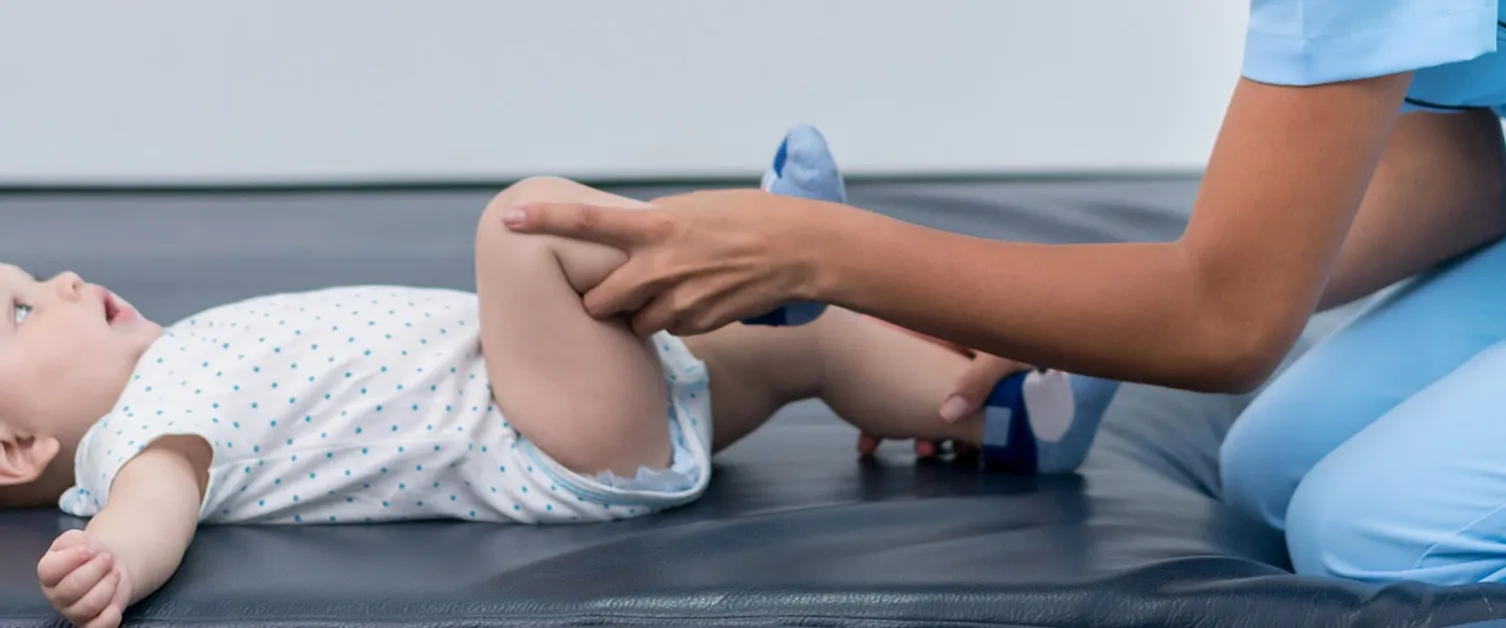
We are following treatment like exercise, massage, and other physical treatments to improve a child's motor skills, balance, flexibility, and strength, aiming to increase their independence and quality of life. Treatments include tailored strength training, stretching to prevent joint stiffness, balance exercises, and gait training to improve walking. Early intervention with physiotherapy gives children the best chance for improvement, with exercises often made fun and engaging to keep the child motivated.
We addresses common motor difficulties like poor balance, coordination, and strength by improving gross motor skills, body awareness, and sensory processing through play-based and structured exercises. Interventions include activities for motor planning, strengthening, balance training, sensory integration, and hydrotherapy, aiming to increase functional independence and social interaction for children with ASD.
We focuses on early intervention to improve motor skills, strength, posture, and balance, reducing the impact of muscle weakness and lax ligaments. Therapists create individualized, play-based plans, provide parent education for home-based activities, and help children achieve developmental milestones and greater independence. Interventions often include strength training, balance activities, and exercises to build coordination, while also preventing secondary joint problems and improving overall quality of life.
We focuses on maximizing a child's functional independence through individualized treatment plans involving exercises, gait training, and the use of assistive devices like braces and wheelchairs. Early intervention is key to establishing baseline function, monitoring muscle imbalances and contractures, and teaching caregivers proper handling and positioning. Goals include improving strength, balance, and mobility, while preventing secondary complications such as pressure sores and joint deformities.
This form of therapy is mainly focused on kids who have neurological disorders with gross motor developmental delay or kids with gross motor developmental delay without any other central nervous system insults. The techniques here aim to achieve gross motor milestones, manage spasticity, and improve balance and coordination. Some techniques include NDT(Neuro Developmental Therapy), CIMT (Constraint Induced Movement Therapy), Vojta technique, taping techniques, functional electrical stimulation, balance and coordination training, including Frenkels exercises.
Kids who receive this service are largely those involved in sports, have congenital deformities, or have met with any injury to their muscles or ligaments. The approach is completely different, with strategies that include treating pain and spasms, improving strength and endurance, and correcting deformities and posture, with the aim of eventually bringing them back to their normal daily activities. Here the treatment includes using machines to relieve pain and spasms, scar mobilization, stretching and strengthening of the muscles, endurance training, contrast therapy, and heat and cold therapy.
While the principles of the techniques used here remain quite the same as adults, the application change as this population is constantly growing. Techniques include chest physiotherapy, positioning, breathing exercises, respiratory muscle strengthening, and energy conservation techniques.
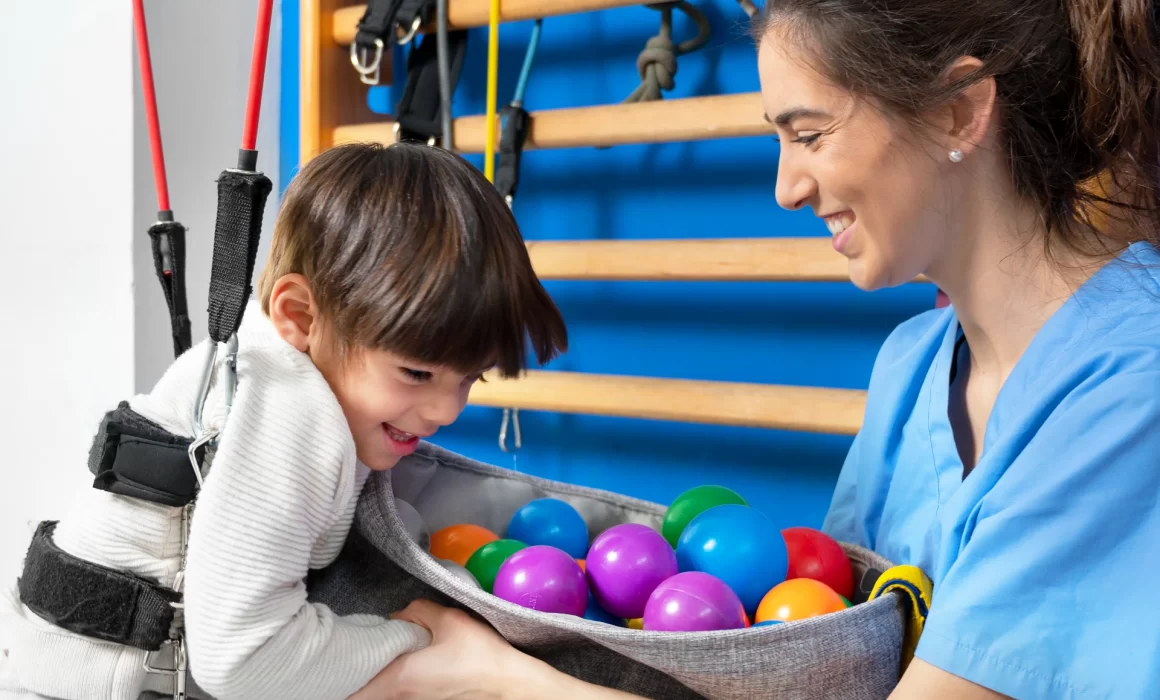
People of all ages can benefit from occupational therapy, whether child or adult, as occupations can be trained and strengthened to improve daily living, health and well-being. However, different age groups have distinct reasons for pursuing occupational therapy, and the skills focused on during therapy, as well as how these skills are practiced, may vary.
In toddlers and children, for example, a pediatric occupational therapist helps the patient reach developmental milestones, master basic life skills and improve social skills. This may include fine motor skills, learning, playing, school-focused abilities, such as writing and the use of scissors, and activities of daily living.
Occupational therapy for adults can help patients regain independence, manage chronic conditions and enhance quality of life. While occupational therapy for children helps children meet specific milestones and skills, occupational therapy for adults focuses on restoring an adult’s capabilities to regain their independence.
Children who benefit from pediatric occupational therapy may have difficulty with:
Some common health conditions that may require a child to see a pediatric occupational therapist include:
CBT is often the first line of therapy for several health conditions. Heaven Of Heals has shown CBT to be effective for children and adults who live with the following conditions:
Heaven of heal is a physio clinic they are working for pain,paediatric,geatric,sports,neurological connditions and fitness training. this center has modalities like IFT, wax, ultrasound, traction, stimulation SWD. we are working for paediatric conditions and treatment has given by manual, exercise, play therapy, functional theerapy, feeding therapy, behaviour therapy, occupational therapy and speech therapy. our team working for various conditions like neck pain, sciatica, disc bulges, plantar facilities, ligaments sprains, muscle strains, stroke cp, autism, paraplegia, hyperactivity, autism spectrum disorders, down syndrome spinabifida, hemiparesis, dyslexia, delayed milestones and sensory issues.